
I consider myself an open-minded dietitian who tailors recommendations to what helps each person thrive. No single diet fits everyone, and I emphasize practical, healthy choices based on available options. One exception to my flexibility is canola oil: I strongly advise avoiding it.
Choosing cooking oils can be confusing—some are better for high-heat cooking, some are healthier to consume regularly, and some are best avoided. Canola oil falls into the latter category for several reasons.
Canola oil is among the items I recommend people stop consuming immediately. Debate surrounds its safety, and while headlines can be sensational, there are valid concerns worth considering.
WHAT IS CANOLA OIL?
Canola was developed in Canada from rapeseed using plant-breeding methods in the 1970s. The name “canola” combines “Canada” and “ola” (oil). It was created as a lower-saturated-fat alternative to other cooking oils. Although canola is relatively high in omega-3s and oleic acid, it is usually a refined oil and often undergoes partial hydrogenation to improve stability. Partial hydrogenation raises trans fat levels, which are known to increase LDL (“bad”) cholesterol and lower HDL (“good”) cholesterol—effects you want to avoid.
By 2009, nearly 90 percent of canola grown in the U.S. was genetically modified. That fact introduces additional considerations about pesticide use and corporate seed practices.
WHAT ARE GMOs?
GMOs (genetically modified organisms) are plants or animals whose DNA has been altered in the lab using genes from other organisms. Many people are rightly concerned about GMOs because of questions around long-term safety, pesticide exposure, and environmental effects.
WHO IS MONSANTO?
Monsanto is a major modern agriculture company that developed many genetically engineered crops and the herbicide Roundup (glyphosate). The company’s GMO seeds are widespread for crops like soy, corn, canola, cotton, sugar beets and alfalfa. Purchasing certain GMO seeds often requires agreements that limit independent research and seed use. Glyphosate—the active ingredient in Roundup—has been highlighted by some agencies as a potential carcinogen and has raised concerns about persistence in the environment and food chain.
Public campaigns and consumer groups have protested Monsanto’s practices due to concerns about food safety, environmental damage, and the consolidation of seed and pesticide markets. Glyphosate residues have been detected in animal products and human samples, which prompts many people to reduce exposure where possible.
INFLAMMATION
For years, vegetable oils were promoted as heart-healthy alternatives to saturated fats. However, many vegetable oils are high in omega-6 fatty acids. When consumed in far greater amounts than omega-3s, omega-6s can promote inflammation. Current diets in the U.S. provide far more omega-6 than is ideal—estimates suggest many people consume 20–50 times the recommended balance. Striving for closer to a 1:1 omega-6 to omega-3 ratio is a healthier target.
Because refined vegetable oils have become so prevalent in processed foods, reducing them can help rebalance dietary fats. Other vegetable oils to limit or avoid include sunflower, cottonseed, soybean and corn oils.
HOW TO REDUCE EXPOSURE TO ROUNDUP AND GMOS
Choose organic and local
Organic certification prohibits the use of GMOs and most synthetic pesticides. If buying fully organic is not possible, prioritize the produce in the highest-risk categories (commonly known as the Dirty Dozen) and support local farmers who may use organic practices even without formal certification.
Avoid GMO foods
GMO crops are often engineered to tolerate glyphosate, which encourages heavy pesticide use. Glyphosate residues aren’t removed by washing or cooking, so choosing non-GMO or organic alternatives reduces intake of these residues.
Consume dietary probiotics
Glyphosate can affect gut bacteria. Eating probiotic-rich foods—like sauerkraut, kimchi, coconut kefir, some organic yogurts and kombucha—can support and restore beneficial gut microbes.
Be mindful when dining out
Ask restaurants what oils they use. If possible, request olive oil, avocado oil, or no added oil to limit exposure to refined vegetable oils.
Read labels
Canola and other vegetable oils are common in many packaged foods. Check ingredients in dressings, spreads, dips and prepared foods to avoid unnecessary exposure.
Educate others
Share information about healthier oil choices and the environmental and health implications of heavily refined and GMO-associated oils so more people can make informed decisions.
HEALTHIER OIL SUBSTITUTES
Avocado oil: High smoke point (around 400°F), neutral flavor, rich in monounsaturated fats and vitamin E. Choose organic, extra virgin, unrefined, cold-pressed options. Good for medium- to high-heat cooking.
Coconut oil (in moderation): Extracted from coconut meat and rich in medium-chain fatty acids that are easier to metabolize. Use extra-virgin, cold-pressed, unrefined coconut oil. Best for medium to lower temperatures and for baking where its flavor is desired.
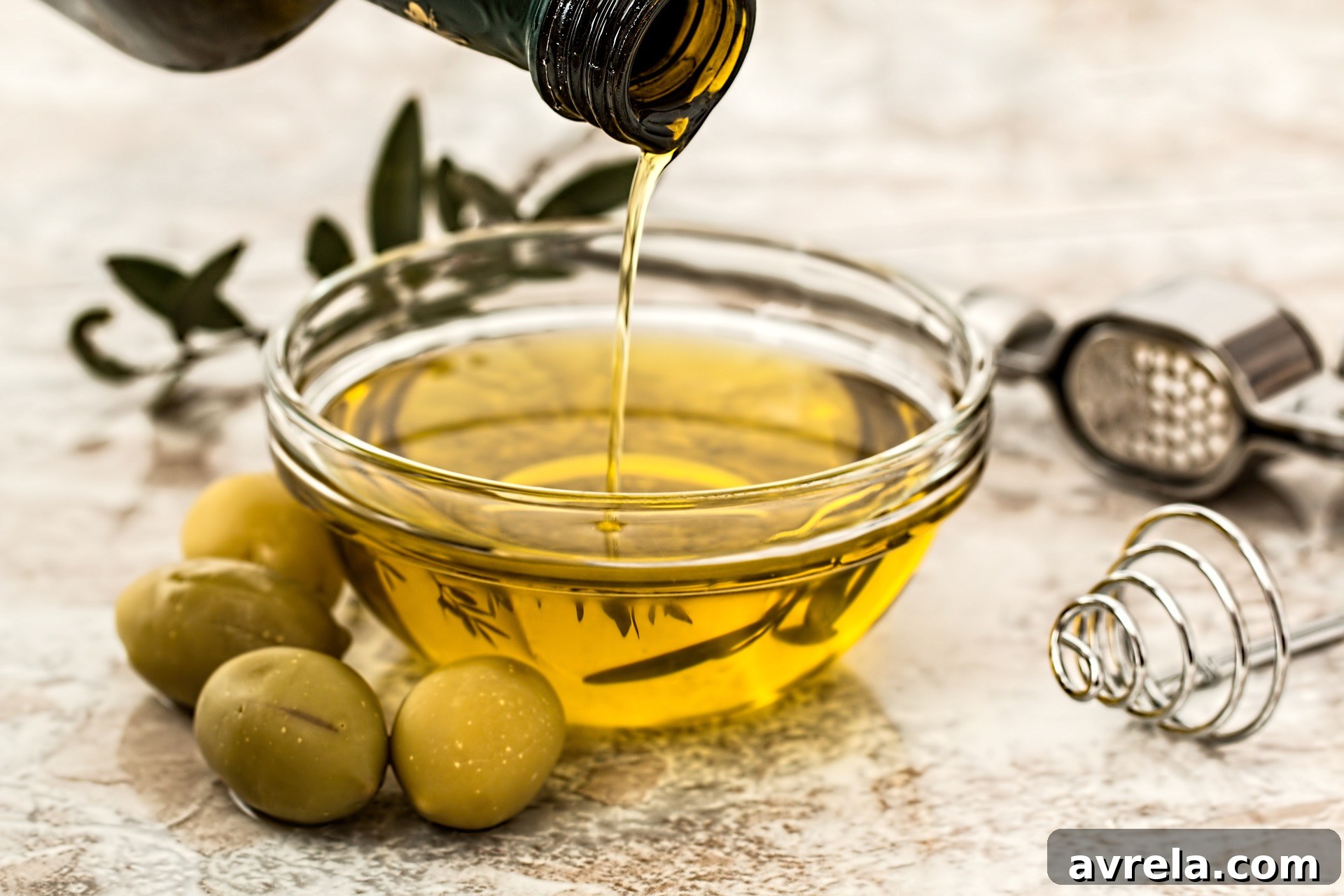
Olive oil: Extra virgin olive oil is rich in monounsaturated fats and antioxidants and is associated with many health benefits. Because of its lower smoke point, use EVOO mainly for finishing, dressings, and low-heat cooking.
Ghee: Clarified butter that is lactose-free and has a high smoke point. Ghee is a good choice for high-heat cooking and adds rich flavor.
Grass-fed butter: Also suitable for cooking, with beneficial fat-soluble nutrients when used in moderation.
BAKING SUBSTITUTIONS
Avocado oil: A neutral-flavored, heart-healthy oil that often works as a 1:1 substitute for vegetable oils in baking. It has a higher smoke point and a mild taste.
Coconut oil: Provides rich flavor and works 1:1 as a substitute in many baked goods; melt it before mixing. Use in moderation due to higher saturated fat content.
Non-oil substitutes Unsweetened applesauce or mashed banana can replace some oil in baking, reducing calories and changing texture to a moister, cakier result. A common swap is 3/4 cup applesauce for 1 cup oil.
Final Thoughts:
Canola oil is not my recommendation for cooking or snacking. Concerns about refinement, partial hydrogenation, trans fats, GMO cultivation and pesticide residues lead me to advise avoiding it. Plenty of healthier alternatives offer beneficial fats and cooking versatility—choose those instead to support overall health.
References noted in the original article were retained by the author for sourcing on canola, GMOs, glyphosate, and related research.